
Barbell Bench Press: How to Perform This Gym Exercise and Progress Safely
Estimated reading time: 9 minutes
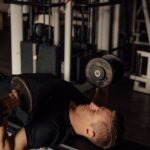
The barbell bench press is a gym exercise that trains your chest, triceps, and front shoulders. To perform it, lie on a stable bench, plant your feet, grip the bar with your thumbs wrapped around it, and lower it under control toward your mid-chest. Then press upward and slightly back until the bar is over your shoulders.
The tricky part isn’t memorizing those steps. It’s finding a setup that lets you repeat them without your wrists folding back, your shoulders shifting, or the bar drifting toward your face. Start with a manageable load and set up a spotter or safety arms before adding weight. A lighter, repeatable bench press gives you something to build on; a heavy rep you barely control doesn’t.
What muscles does the bench press work?
The main working muscle is the pectoralis major, the large chest muscle. Your triceps help straighten your elbows, and your anterior deltoids—the front portions of your shoulder muscles—assist with the press.
Your upper back and legs also help maintain a stable position. That doesn’t make the bench press a leg exercise, but firm foot pressure and a steady upper back make it easier to control the bar.
The exercise is useful for developing horizontal pushing strength and training the chest with gradually heavier loads. It isn’t mandatory, though. Dumbbell presses, machine chest presses, and push-ups can serve similar purposes. If you don’t enjoy barbell benching or can’t find a comfortable setup, you have other options.
Set up the bench before you load the bar
A good setup starts with the equipment, not your grip.
Position the bench and rack hooks
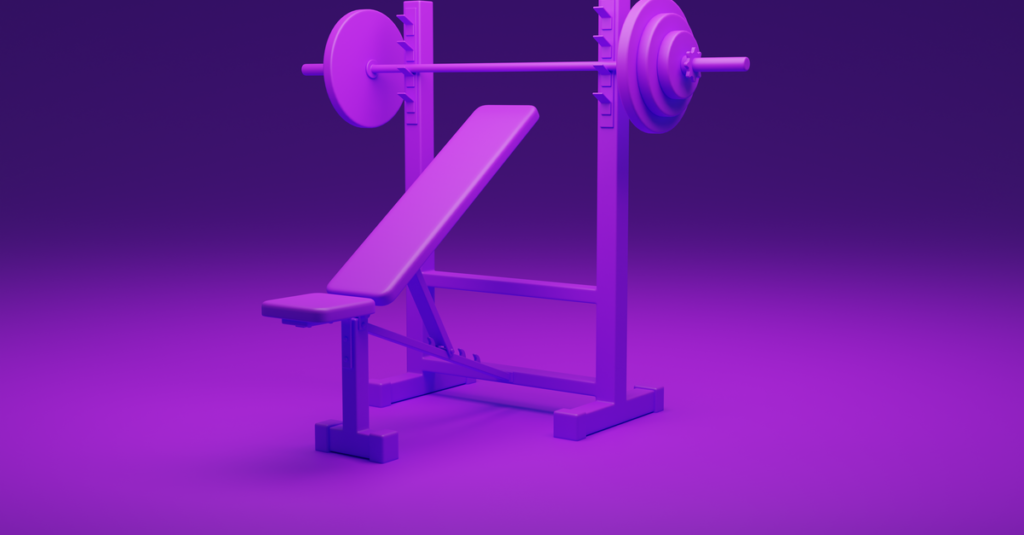
Use a stable bench centered beneath the bar. When you lie down, the bar should be close enough to unrack without reaching far behind you or letting your shoulders roll forward.
Set the rack hooks so you can clear them by extending your arms while keeping your upper back in position. If they’re too high, you may have to stretch upward and lose your base. If they’re too low, you’ll spend unnecessary effort pressing the bar out of the rack.
Test this with an empty or light bar before loading your working weight.
Arrange a spotter or safety arms
For challenging sets, use a competent spotter or properly positioned safety arms. Even for lighter practice, having safeguards in place is a sensible habit.
Safety arms should sit below your normal bar path so they don’t interrupt a controlled repetition, but high enough to catch the bar if you can’t finish. Check their position with a light bar, including whether they protect you when you relax your pressing position. Don’t assume a rack setting left by someone else will suit you.
If you use a spotter, agree beforehand on:
- Whether you want help lifting the bar out of the rack.
- What cue means you need assistance.
- How you’ll return the bar to the hooks.
A spotter shouldn’t unexpectedly grab the bar during a normal rep. Equally, they shouldn’t wait for a clearly stalled bar to become an emergency.
If suitable safeguards aren’t available, choose a manageable load, stop well before failure, or use another chest exercise. Leaving repetitions in reserve reduces risk, but it doesn’t replace a reliable way to catch the bar.
How to do the barbell bench press
1. Build a stable position
Lie down with your head, upper back, and hips supported by the bench. Plant your feet where you can maintain firm contact with the floor throughout the set.
Gently draw your shoulder blades back and brace your upper back against the bench. Think of creating a steady platform rather than squeezing as hard as possible.
A comfortable arch through your back can be part of the setup. You don’t need to flatten your lower back completely, nor do you need to imitate an exaggerated competition arch. Keep your hips on the bench and choose a position you can maintain without discomfort.
Your feet should support that position. If you’re shifting them during every repetition, adjust before the next set.
2. Take a closed grip
Use an overhand grip with your thumbs wrapped around the bar. A grip slightly wider than shoulder width is a reasonable starting point, not a rule everyone must follow.
At the bottom of the lift, your forearms should be approximately vertical. This helps you find a grip that keeps your hands and elbows reasonably aligned.
Let the bar sit securely toward the base of your palms rather than high in your fingers. Some wrist extension is normal, but your wrists shouldn’t collapse backward under the load.
Use the bar’s markings to keep your hands evenly spaced. If one side is wider than the other, the press may feel uneven before you’ve even started.
3. Unrack and settle
Extend your arms to clear the hooks, then move the bar over your shoulder area. Pause long enough to establish control before lowering it.
Keep your upper back in its braced position. If unracking consistently pulls your shoulders forward, adjust the hooks or ask for a controlled handoff.
The first descent should feel deliberate, not like you’re still trying to recover from the unrack.
4. Lower toward your chest
Lower the bar smoothly toward roughly the middle of your sternum. The exact touch point varies with your grip, arm length, and setup.
Let your elbows angle somewhat toward your torso rather than flare straight out to the sides. You don’t need to pin them tightly against your ribs, either. Look for a position that keeps the bar controlled and your forearms approximately upright near the bottom.
For a standard repetition, touch the chest lightly if you can do so comfortably without losing position. Don’t bounce the bar. If reaching the chest requires your shoulders to shift or causes pain, don’t force the range simply to satisfy a cue.
5. Press up and slightly back
Press the bar upward and slightly back toward the shoulder line. The bar doesn’t have to travel in a perfectly vertical line from the chest.
Maintain foot pressure and keep your hips and upper back on the bench. Your legs help stabilize you; they shouldn’t launch your hips off the pad.
Finish by extending your elbows under control. Before the next repetition, make sure the bar is steady.
6. Rerack deliberately
After the final rep, steady the bar with your arms extended, then move it back to the rack. Confirm that both ends are over the hooks before lowering it into place.
Don’t rush the rerack because the set feels finished. You still need to control the weight until it’s supported.
Breathing without overcomplicating it
For ordinary beginner sets, a simple pattern is to breathe in as you lower the bar and breathe out as you press.
Heavier lifting may involve bracing and a brief breath hold, but that’s not the first skill you need to master. Learn stable, controlled repetitions before adding more demanding breathing techniques, and avoid prolonged breath-holding.
If you have a health condition that affects exercise or makes straining a concern, seek guidance from a qualified health professional about appropriate lifting and breathing practices.
How much weight should you start with?
Start with a load you can control while leaving a few good repetitions in reserve. That means ending the set when you could still perform a few more reps with the same technique—not several shaky reps with help.
An empty bar may be suitable, but it isn’t automatically light. Bars vary in weight, and a standard full-size bar can be too heavy for a new lifter. A lighter training bar or a machine chest press may be a better starting point.
Use these checks:
- Can you lower the bar without it dropping onto your chest?
- Can you press without bouncing or lifting your hips?
- Does your grip stay secure?
- Could you repeat the movement without your shoulders shifting?
If not, reduce the load. The right starting weight is the one that lets you practice the intended movement.
Before working sets, rehearse with a lighter load. If you’re progressing toward a more demanding weight, use additional warm-up sets as needed without tiring yourself out before the main work.
A beginner approach to sets, reps, and progression
A practical beginner example is 2–3 sets of 8–12 controlled repetitions, leaving a few good reps in reserve. This reflects general resistance-training guidance rather than a uniquely optimal bench-press program.
Rest long enough that you can repeat the next set with sound technique. Around 2–3 minutes is a useful starting point for demanding sets; heavier strength work may require longer. If your breathing has settled but your pressing muscles still feel unable to control the next set, take more time.
Keep the exercise early enough in your workout that fatigue from other chest or triceps exercises doesn’t undermine the skill you’re trying to learn.
Add repetitions before chasing heavier plates
Suppose, hypothetically, you choose a weight that allows three sets of eight controlled reps. Over later sessions, you might build toward nine, ten, and eventually twelve reps per set while keeping the same setup and bar control.
The American College of Sports Medicine’s progression guidance suggests increasing resistance by about 2–10% when you can exceed the target by one or two repetitions in two consecutive sessions. That’s a general range, not a requirement to make a large jump.
For bench pressing, the smaller end may be more manageable. Available plates matter, too: the smallest increase your gym allows might still be substantial relative to your current load.
After increasing the weight, returning to the lower end of your repetition range is reasonable. If the increase makes your form fall apart, use a smaller step or spend longer at the previous load.
Don’t judge progress only by weight. More controlled reps, a steadier unrack, and consistent technique are also useful improvements.
Common mistakes and what to change
Your wrists fold backward
Move the bar lower into your palms and check that your hands are positioned over your forearms. Reduce the load if you can’t maintain that alignment.
Your shoulders shift during the unrack
Check the hook height and your position beneath the bar. A spotter’s handoff can help, but it shouldn’t conceal a poorly arranged rack.
The bar bounces off your chest
Slow the descent and use less weight. A bounce makes the repetition less controlled and can hide whether you can actually press the load from the bottom.
Your hips lift as the bar slows
End the set before technique breaks down. Adjust your foot position if necessary, but don’t use it to justify a load you can only finish by changing the movement.
You force someone else’s grip or touch point
Coaching cues are starting points. Differences in limb length and body proportions mean that two sound bench presses may look slightly different. Adjust one element at a time and judge whether control and comfort improve.
When another pressing exercise makes more sense
Dumbbell bench presses let each arm move independently and offer more choice in hand position. They still require control, and getting heavy dumbbells into and out of position can be demanding.
Machine chest presses simplify balancing and may make it easier to focus on pushing effort. The trade-off is that they don’t teach barbell handling, and the machine’s fixed path won’t suit everyone.
Incline push-ups, with your hands on a stable raised surface, are an easier bodyweight option. As control improves, a lower surface makes the movement more demanding.
Paused bench presses and close-grip bench presses can be useful later, once basic barbell control is established. There’s no need to collect variations before you can repeat the standard movement reliably.
Be cautious with claims that one variation is “best” because it showed higher muscle activity in a study. Small studies using electromyography measure electrical activity during an exercise; they don’t, by themselves, prove better long-term muscle growth.
Make your next session a technique session
At your next workout, set the rack and safeguards first. Choose a light load, practice a controlled unrack, and aim for repetitions that look and feel consistent. Record the weight and reps so your next increase is based on what you actually managed.
Stop if you experience sharp pain, and seek assessment for persistent symptoms rather than repeatedly changing your grip and hoping they disappear. This is general exercise education, not individualized medical advice.
You don’t need a maximum attempt to find out whether the bench press is working for you. Start with a lift you can repeat, then earn the next small increase.
FAQ
What muscles does the barbell bench press work?
The main working muscle is the pectoralis major, the large chest muscle. Your triceps help straighten your elbows, and your anterior deltoids—the front portions of your shoulder muscles—assist with the press.
How should a beginner start bench pressing?
Start with a load you can control while leaving a few good repetitions in reserve. That means ending the set when you could still perform a few more reps with the same technique—not several shaky reps with help.
How many sets and reps should a beginner do?
A practical beginner example is 2–3 sets of 8–12 controlled repetitions, leaving a few good reps in reserve. This reflects general resistance-training guidance rather than a uniquely optimal bench-press program.
What should I do if bench pressing causes pain?
Stop if you experience sharp pain, and seek assessment for persistent symptoms rather than repeatedly changing your grip and hoping they disappear. This is general exercise education, not individualized medical advice.